Magnificent Montenegro.
Queuing at the border, passports being stamped, trying to decipher the Serbian Cyrillic writing on the billboards…ah, that exciting feeling of being travellers again, how we welcome it!
In Montenegro, campsite hosts at the coast effortlessly speak six languages: at least English, German and Italian, and a couple of Slavic tongues. Those in the mountains don’t, they use Google Translate in the middle of nowhere, as do the farmers. As long as they can keep the conversation flowing, all is well.
Montenegro is also the country where the Wi-Fi password might be “tito2020” and where rakija is offered at breakfast as “a boost to the circulation”. Perhaps that explains why local drivers and motorcycle girls & boys come flying around the hairpin bends as if crashes are not part of their fate. Guys, that’s not what our bullbar is meant for! Calm down already!


Unfortunately, it also seems to be the country where littering is elevated to a national sport. But not in the National Parks, Mother Earth be praised! Since the Paklenica hike had taught us a lesson, we chose to explore the ruggedness of Durmitor National Park, the Tara Gorge, and surroundings with Vinnie. Instead of us, he now bears the battle scars after we sent him ploughing through a dense forest to bypass the roadworks blocking our way forward. And then there were the tunnels: some dark and seemingly endless, others low, narrow, and roughly hewn from the rock. Peak after peak, view after view, canyon after canyon, each one deeper than the last. Up and down we went, tackling hair-raising hairpin bends so sharp that 7.5-metre-long Vinnie couldn’t make them in one go. More often than not, My Driver had to slam on the brakes and reverse into the shrubbery to let oncoming traffic pass. Magnificent Montenegro is truly blessed by Nature, but we count ourselves fortunate that it isn’t high season yet.


Montenegro also seems to be expecting a European tourist influx of unheard-of proportions. The country is clearly caught up in a building frenzy, with high-rises under construction along the coast and individual tourist accommodations in the rustic A-frame style of traditional mountain shepherds’ huts popping up like mushrooms across the mountain plains and meadows.


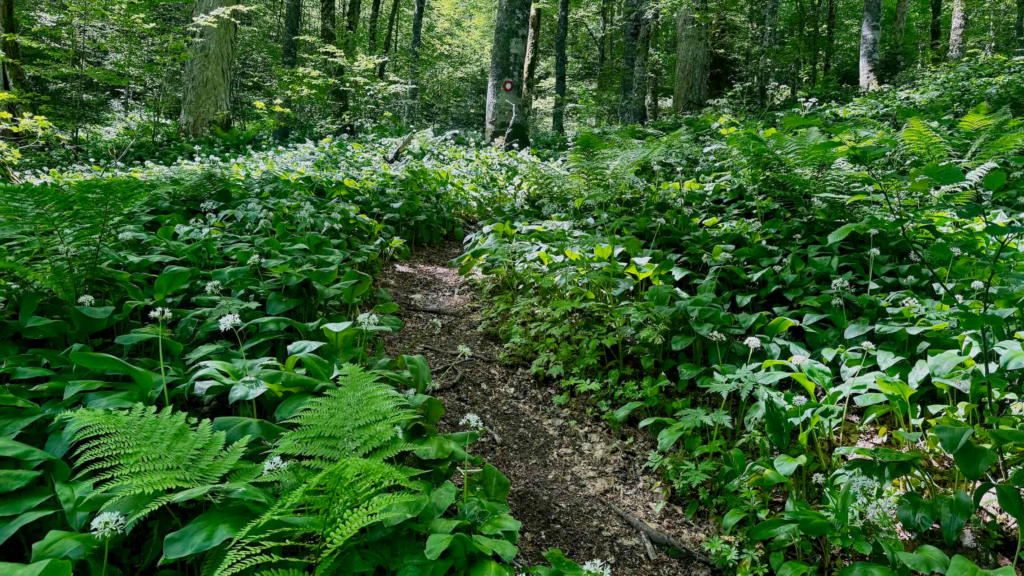

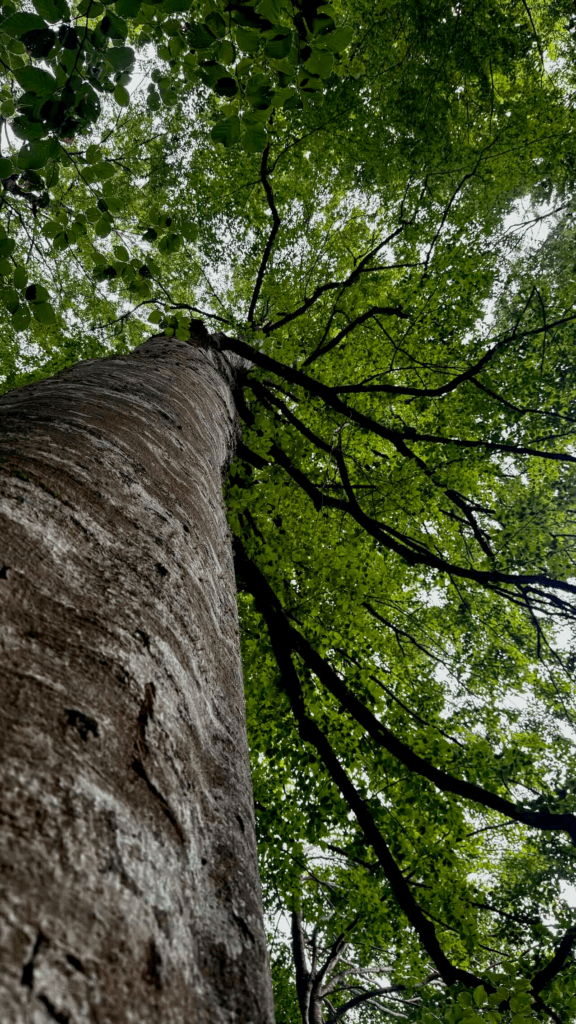
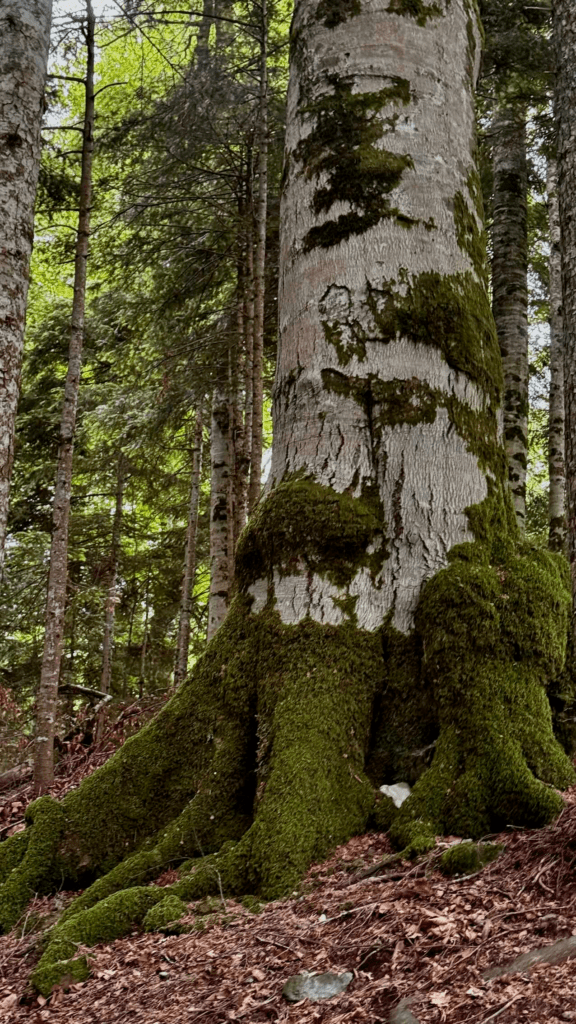


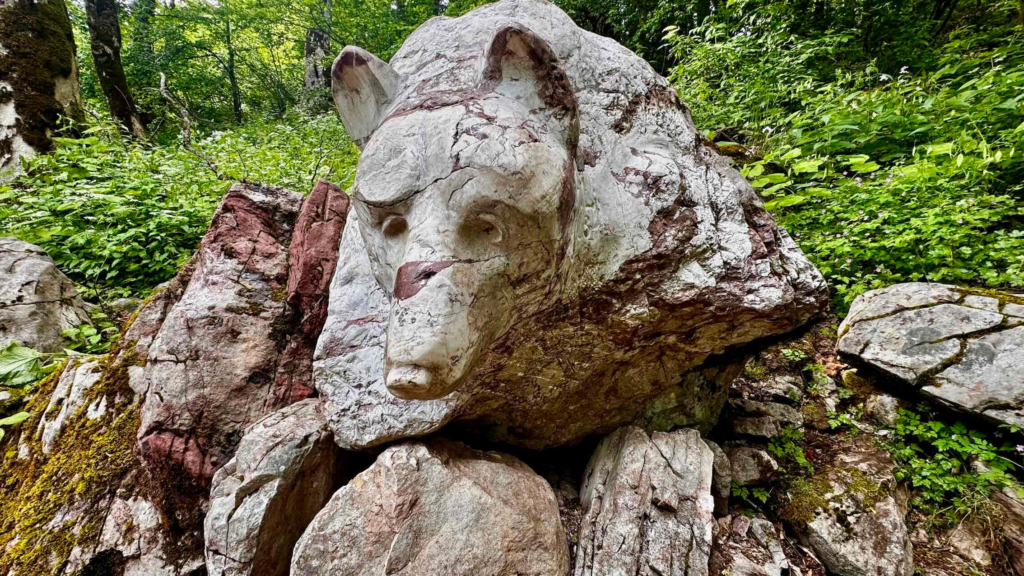

After a 12 km hike through Europe’s last rainforest in Biogradska National Park (which turned out not to be a walk in the park at all), we bid farewell to Magnificent Montenegro by seeking some spiritual guidance at the Ostrog Monastery where every year over a million pilgrims of different faiths – Orthodox Christians, Catholics, and Muslims – visit. As we returned to the campground, the owner thrust both fists in front of his naked, impressive torso and asked with great conviction, “Did you feel it? Did you feel it?!” Then, in his most endearing Borat voice, he added that we now had to visit the river, “only five minutes by leg through the wood.” And that’s where we felt it again.


Next up is Albania, where for the past fifteen days everybody has been feeling it. “Hands off our flamingos. Hands off everything Albanian” is what they are standing up for.
Or, to paraphrase The Guardian: “In an inspiring example of civic activism, thousands of young people are flooding the streets of Tirana with a rallying cry: Albania is not for sale.”
These are our kind of people. We are very much looking forward to meeting them.